
Chelsea vs Wrexham: How Two Clubs Revolutionized Soccer Ownership
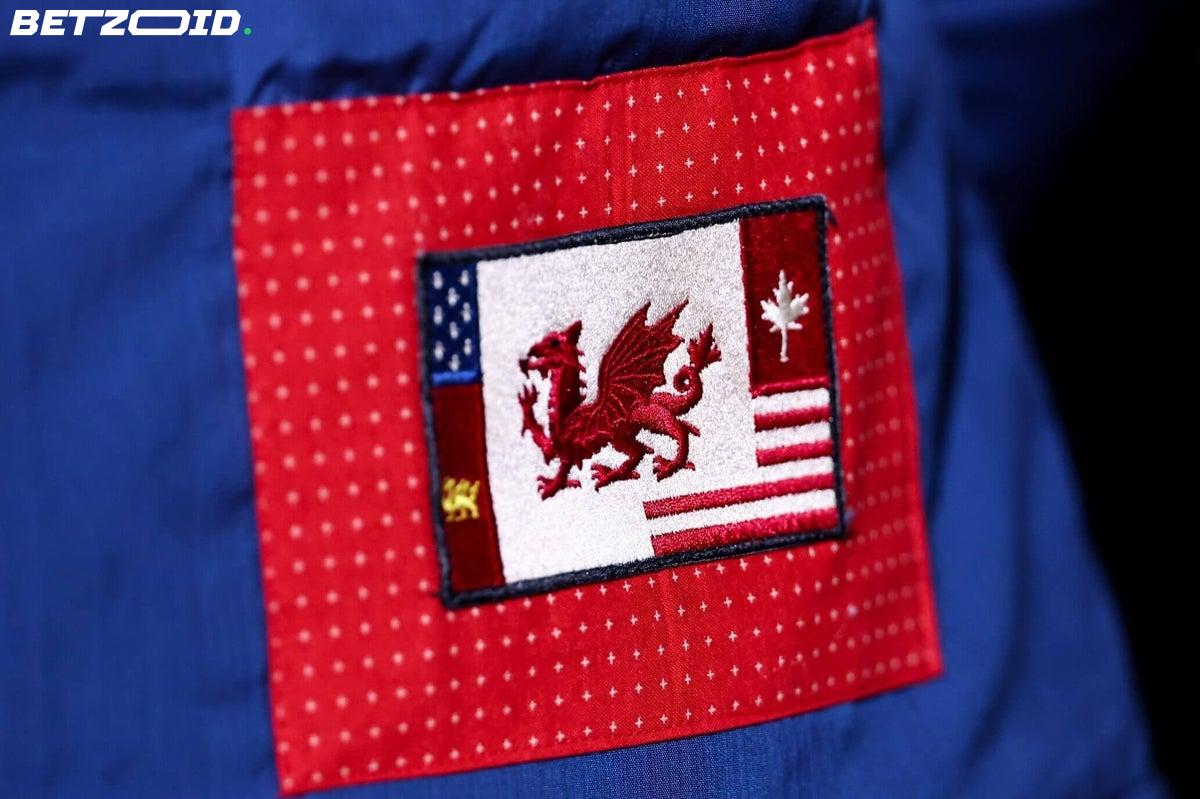
This weekend's FA Cup fixture between Chelsea and Wrexham represents far more than a typical underdog story. It's a fascinating collision between two clubs that fundamentally transformed soccer ownership models—albeit through vastly different approaches.
Chelsea pioneered the big-money revolution of the early 2000s. Wrexham may be charting the course for soccer's future. The journey that brought us to this point is nothing short of remarkable.
Cast your mind back to 2003 when Roman Abramovich purchased Chelsea. That summer fundamentally altered the soccer landscape. The Russian billionaire injected unprecedented amounts of capital into the club, forcing the entire Premier League into a financial arms race.
"We can trace so much of today's soccer economics back to that pivotal moment," explains Christina Philippou, a sports finance professor at the University of Portsmouth. Her assessment hits the mark—Abramovich's investment triggered a wholesale transformation of football ownership throughout England and internationally.
His investment created a ripple effect throughout the sport. Competing owners quickly realized they needed substantially deeper resources or needed to sell to buyers who possessed them. American investors began viewing Premier League clubs as undervalued assets compared to North American sports franchises. Malcolm Glazer's controversial Manchester United acquisition in 2005 represented the beginning of this new era.
The Evolution from Billionaires to Entertainment Icons
The Abramovich period also established the foundation for sovereign wealth fund investments at clubs like Manchester City and Newcastle. Even his forced departure from Chelsea in 2022 following Russia's invasion of Ukraine broke new ground—his £2.5 billion sale established unprecedented valuations for football clubs.
Here's the compelling twist: the traditional approach of simply pouring money into a club no longer functions effectively due to Financial Fair Play regulations and squad cost restrictions. Modern ownership requires genuine revenue growth rather than relying solely on owner capital injections.
This brings us to Ryan Reynolds and Rob McElhenney at Wrexham. The duo acquired the National League club in 2021 and transformed it into an international sensation through exceptional storytelling and social media expertise. Their Disney+ series "Welcome to Wrexham" has captured 10 Emmy awards and elevated the Welsh club to worldwide recognition.
The financial results tell a compelling story. Wrexham generated £13.18 million in commercial revenue during the 2023-24 season while competing in League One. That's extraordinary for a club at that tier, demonstrating the power of strategic marketing.
"It's simply brilliant business strategy," notes Charlie Methven, a veteran football executive. "They've understood that commercial revenue has virtually no ceiling." While stadium capacity and broadcasting rights have fixed limitations, merchandising and sponsorship opportunities can expand infinitely with the right narrative approach.
The Modern Framework for Football Success
Wrexham has become such an attraction that they've participated in pre-season tours with Chelsea for two consecutive summers. Liverpool recently confirmed they'll meet Wrexham at Yankee Stadium this July. These lucrative friendly matches were traditionally exclusive to elite-tier clubs.
For those betting on Saturday's FA Cup matchup, Chelsea enters as the clear favourite. However, Wrexham's momentum as Championship promotion contenders deserves serious consideration. They've already achieved three consecutive promotions, and their squad confidence is at peak levels.
The critical question remains whether other clubs can replicate Wrexham's blueprint. Tom Brady's venture with Birmingham City hasn't achieved comparable success, indicating the formula isn't as straightforward as producing a documentary series.
"Every club possesses unique characteristics," cautions Keith Wyness, former CEO of Everton and Aston Villa. "This model wouldn't necessarily translate elsewhere." Nevertheless, that hasn't deterred others from attempting similar approaches—YouTube personality KSI recently acquired ownership stakes in Dagenham and Redbridge.
Wrexham has demonstrated that storytelling and digital engagement hold equal importance to transfer budgets in contemporary football. You don't require Roman Abramovich's billions when you possess Ryan Reynolds' social media reach and marketing brilliance.
When these clubs meet at The Racecourse Ground, they embody past and future paradigms. Chelsea proved that financial resources dominate football. Wrexham is demonstrating that attention and engagement might speak even more powerfully. Both approaches revolutionized the sport—and both will influence what lies ahead.