
Matildas Eye Asian Cup Triumph as Australia Hosts Tournament with World Cup Berths on the Line
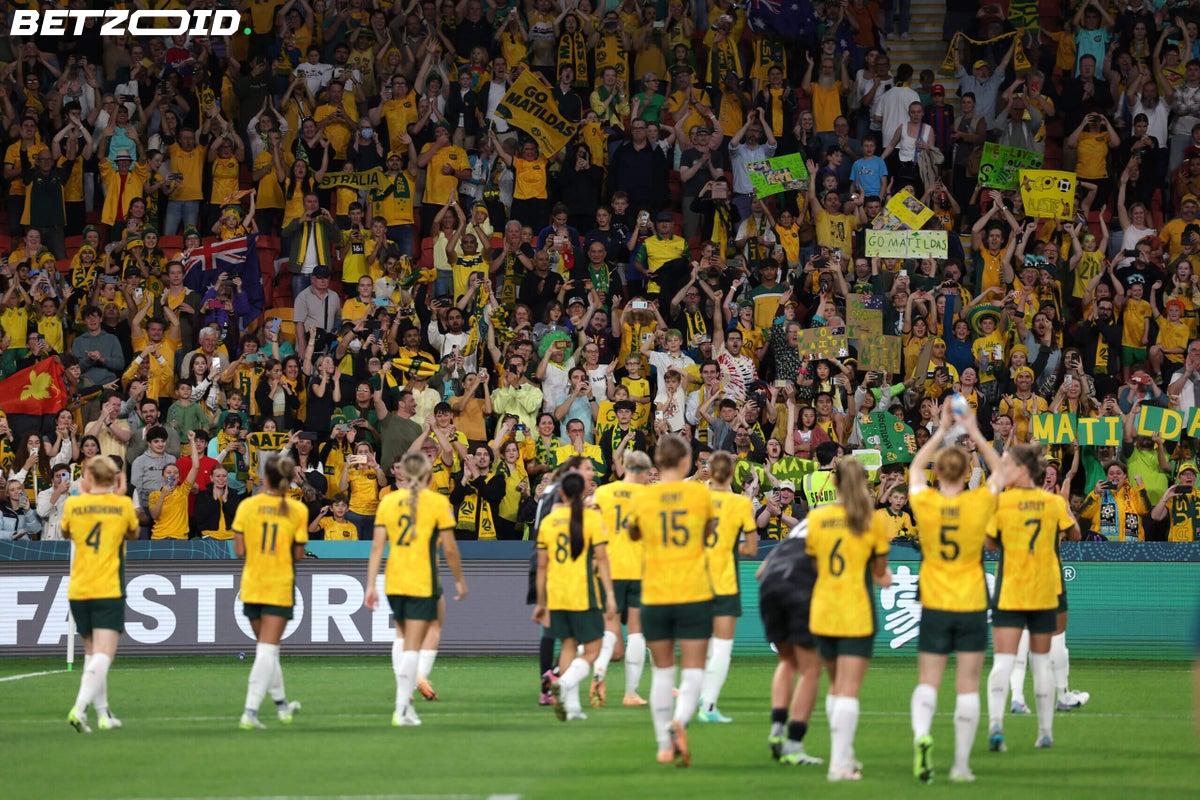
The electric atmosphere surrounding Australian women's football in August 2023 remains unforgettable. When the Matildas eliminated France in that thrilling World Cup quarter-final penalty shootout, 11.15 million Australians were glued to their screens. The excitement was so intense that even Australian rules football fans paused to celebrate the historic moment.
Fast forward to today, and Australia takes centre stage as host of the 2026 AFC Asian Cup, with enormous implications hanging in the balance. The four semi-finalists secure automatic qualification for the 2027 World Cup in Brazil, while the losing quarter-finalists battle for two additional berths through a playoff system.
The tournament begins today at Perth Stadium with Australia taking on the Philippines. It's been 16 years since the Matildas claimed this continental championship, and Sam Kerr stands as the sole survivor from that victorious 2010 campaign. At 32 years old, the window for adding another major trophy to her collection is rapidly closing.
"If there was ever a moment to capture this title, it's now," explains Chelsea defender Ellie Carpenter. "This squad deserves some silverware." While Japan enters as the betting favourite thanks to their superior FIFA ranking, playing on home turf could provide Australia with a decisive edge.
The Fleeting Impact of World Cup Success
The 2023 World Cup appeared to signal a watershed moment for the sport. Following the tournament's conclusion, the women's A-League experienced remarkable growth. Match attendance surged 108 percent, television viewership climbed 133 percent, and club memberships exploded by an astounding 611 percent.
However, the momentum proved unsustainable. This season has witnessed a 26 percent decline in attendance figures. The domestic league continues losing top talent to international competitions, and the reasons are painfully clear.
The average A-League Women's salary sits just above $30,000 Australian dollars (approximately $26,000 CAD). This represents the lowest minimum wage among all major Australian women's sports. A staggering 62 percent of players require supplementary employment simply to cover basic living expenses.
Clare Wheeler's experience illustrates the harsh reality. Her first season netted just $500—barely enough for transportation costs. "I was completing my final year of high school, working retail at Kmart, and attempting to play football professionally," she remembers. "The stress was overwhelming."
The Path Forward Remains Uncertain
Professional Footballers Australia, the players' union, has unveiled an ambitious blueprint for transformation. Their primary objective is complete professionalization of the domestic league to stem the exodus of talent. Last season featured a 28 percent increase in playing time for athletes aged 21 and younger—a direct consequence of veteran players departing for greener pastures abroad.
"We had an incredible opportunity following the World Cup and witnessed modest growth, but no solid foundation was established to sustain it," states PFA co-president Tameka Yallop. The contrast with New Zealand, which made substantial investments in infrastructure and even launched a new A-League franchise, speaks volumes.
For those analyzing betting angles on this Asian Cup, the domestic turmoil adds a fascinating dimension. Will the Matildas' motivation waver knowing their league trails behind? Or will the opportunity to claim silverware before their home supporters—with 79,500 expected for the final at Sydney's Stadium Australia—elevate their performance?
The tournament's total prize pool stands at $1.8 million, unchanged from the previous edition four years ago. This makes it the lowest-paying continental championship in women's football globally. Despite this, over 150,000 tickets were purchased a month before opening kickoff, demonstrating that Australian fans remain deeply invested in their national team's success.
Wheeler hopes this Asian Cup can recapture the World Cup magic. "The support we received during the World Cup was extraordinary," she reflects. "We genuinely hope to earn that same backing for this tournament and make the nation proud." With World Cup qualification hanging in the balance and a growing realization that this may represent the final opportunity for Kerr's generation to secure major silverware, expect Australia to emerge with maximum intensity.