
2026 World Cup Away Kits Ranked: Every Confirmed & Leaked Jersey From Best to Worst
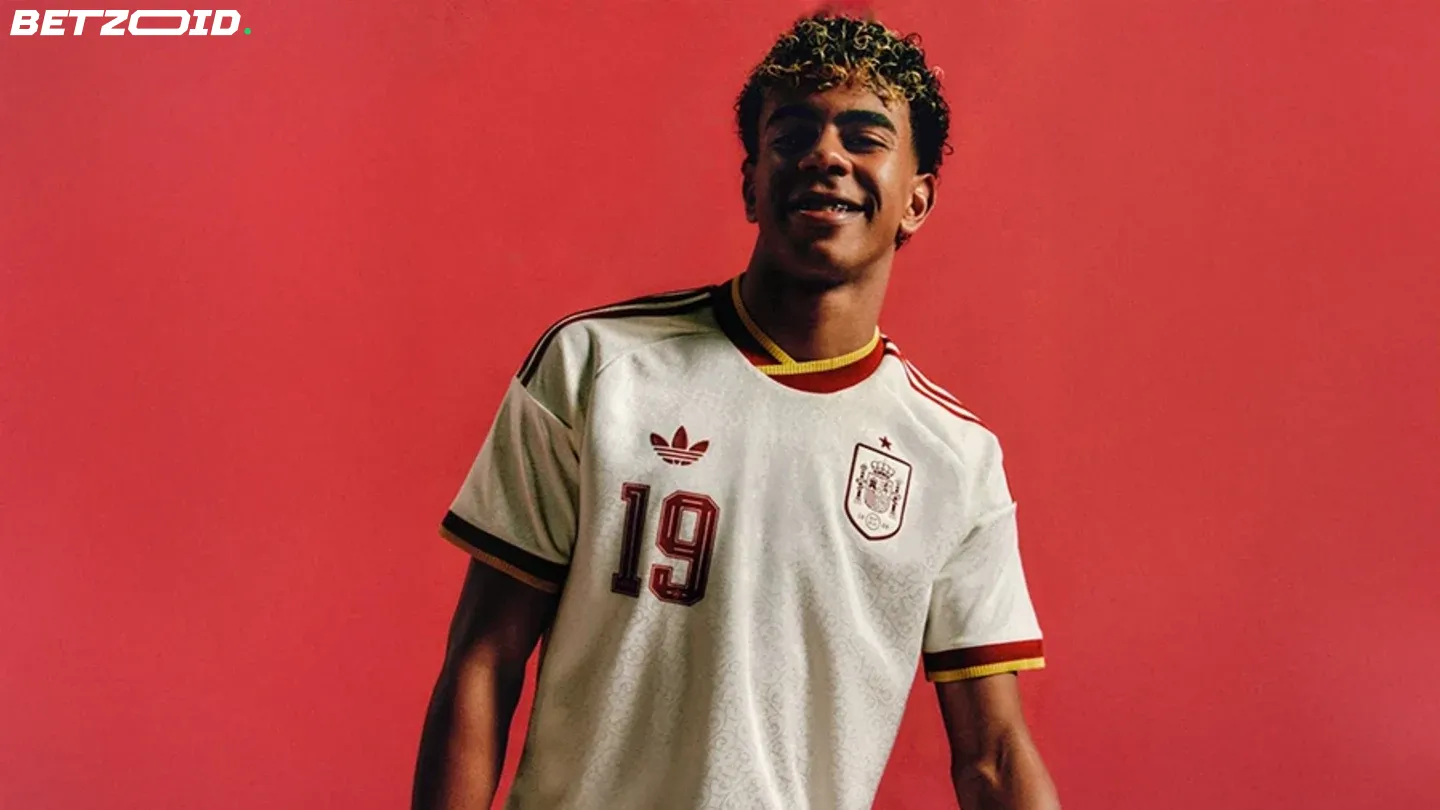
The 2026 World Cup away jerseys continue to roll out, and the quality spectrum is remarkable — ranging from absolute artistic brilliance to designs that appear hastily assembled during someone's coffee break.
Away kits traditionally enjoy greater creative freedom than home jerseys, which typically follow more traditional templates. This year's collection demonstrates that some manufacturers embraced that creative liberty wholeheartedly, while others completely wasted the opportunity.
The Outstanding Designs
Let's begin with Belgium. adidas has crafted something truly remarkable — a tribute to surrealist icon René Magritte, featuring the phrase "Ceci n'est pas un maillot" ("This is not a jersey") printed below the collar, referencing Magritte's famous "The Treachery of Images." It's intelligent, multi-layered, and destined to become a collector's favourite. Belgium's golden era may have passed, but this kit signals a fresh chapter.
Argentina's away jersey represents a significant shift from their typically conservative approach. A black foundation interwoven with foliage patterns in varying blue shades, allegedly inspired by Buenos Aires's Fileteado Porteño folk art heritage. It's a daring choice for a country that historically favours safer kit designs. As they pursue history — attempting to become the first consecutive champions since Brazil in 1962 — they'll certainly look memorable doing it.
Japan demonstrates masterful design understanding. Eleven coloured vertical stripes, each symbolizing a player, with a central red stripe representing the broader football community. The baseball pinstripe influence feels authentic, not manufactured. Pure understated excellence.
Scotland returns to the World Cup after a 28-year absence, and adidas has delivered a contemporary reimagining of a classic design. The Tartan Army will look exceptionally sharp. For a team whose mere qualification sparked nationwide celebrations, the kit perfectly matches the significance.
Austria's marbled mint-green creation from Puma ranks among the tournament's genuine surprises — geometric gold accents overlaying a design capturing both alpine landscape and art deco styling. It succeeds far beyond what the description suggests.
- Ghana — Puma's Kente cloth-inspired yellow design is bold enough to be visible from space. The Black Star takes centre position. Ghanaian supporters will embrace it wholeheartedly.
- Mexico — Another adidas success. The red and green collar and sleeve accents elevate what could have been mundane into something that'll generate substantial merchandise sales across North America.
- Colombia — adidas presents a jersey destined for summer music festivals globally, regardless of on-field performance.
- Curaçao — Their World Cup debut earns this exceptional kit. Pastel yellow featuring vibrant sleeve details, honouring Willemstad's colourful capital. Expect sellouts.
- Wales — Welsh dragon motifs dominating a cream foundation, with alternating red and green adidas stripes. The Welsh FA proclaimed it a "masterpiece of football design." Difficult to dispute.
The Design Failures
Switzerland has produced something genuinely perplexing, appearing uncertain whether it's a training bib or practice jersey. Puma owes Swiss supporters an explanation.
Egypt's attempt proves equally disappointing. Puma incorporated pyramid imagery on the chest and labelled it cultural tribute. It's not. It's a forgettable shirt that squanders one of football's most storied national histories.
Australia pursued a futuristic aesthetic and landed somewhere unpleasant. The Netherlands followed a similar trajectory — a solid foundation undermined by an awkwardly thick horizontal chest band that simply doesn't belong. Nike's Oranje partnership showed genuine promise but faltered in execution.
Turkey's white away jersey suffers from excessive crowding at the neckline and emptiness throughout the remainder. Too many design components compressed where space doesn't accommodate them.
Then there's Brazil — their Jordan Brand partnership, marking the American label's inaugural World Cup appearance, employs Amazonian dart frog inspiration on a blue alternate. Blue has served as Brazil's alternate colour for decades, but this diverges from anything previously worn. Reception will prove divisive. That's likely intentional.
France in turquoise — Nike labels it "igloo/monarch" — represents a deliberate departure from white, allegedly honouring the Statue of Liberty. Whether French supporters embrace the symbolism remains uncertain. The tricolour's absence will frustrate purists.
England returns to red, the colour worn during the '66 final, featuring a gold star above the Three Lions crest. Harry Kane hoisting the trophy in New Jersey remains the ultimate goal. The jersey, at minimum, delivers.
Germany's away kit, described by Liverpool's Florian Wirtz as "unusual, but really good," draws inspiration from vintage training wear. It marks adidas' final major collaboration with Die Mannschaft before Nike assumes responsibility next year — and it's an appropriate sendoff, landing between nostalgic and genuinely stylish.
Across more than 40 confirmed and leaked jerseys, the divide between manufacturer ambition and execution has never been more apparent. adidas dominates this tournament's kit discussion by considerable margin. Puma delivers inconsistent results. Nike frustrates with unpredictable outcomes. And somewhere, a Switzerland designer hopes nobody examines too closely.