
Matt Crocker Departs U.S. Soccer for Saudi Arabian Federation Ahead of 2026 World Cup
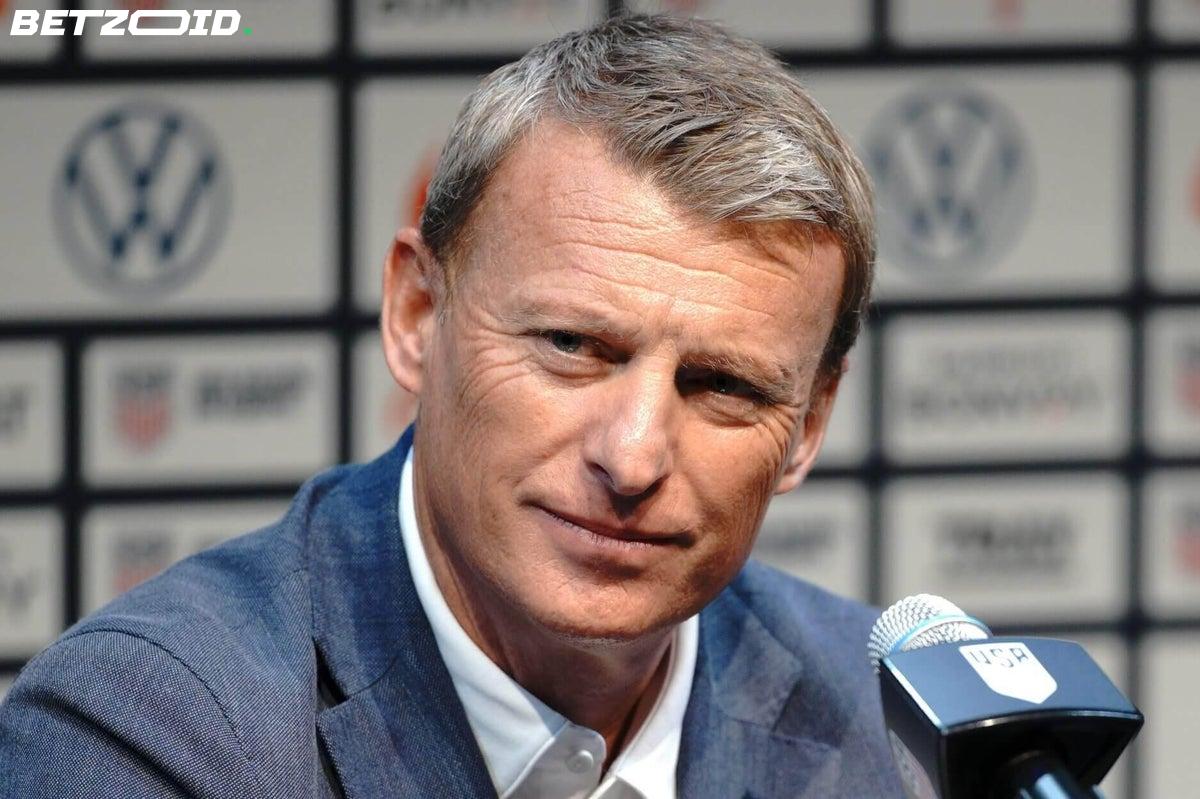
"I'm frustrated. I'm frustrated at the speed of change." Those words from Matt Crocker's interview just one month ago carry significantly different weight now that he's departed from U.S. Soccer.
U.S. Soccer announced Tuesday that their sporting director is leaving immediately, mere weeks before the 2026 FIFA World Cup begins on North American soil. The 51-year-old Crocker is joining the Saudi Arabian Football Federation — initially reported by Fox Sports — in a departure that prompts serious questions about American soccer's leadership structure at a critical juncture.
Two years of tangible impact
To his credit, Crocker was far from a passive administrator. The Welsh executive, who arrived in 2023 following roles with the English FA and Southampton FC, completely overhauled U.S. Soccer's coaching infrastructure. He participated in the rehiring of Gregg Berhalter before formally beginning his position, recruited Emma Hayes to helm the women's national team, and following Berhalter's dismissal, orchestrated the search that secured Mauricio Pochettino as USMNT manager.
Crocker also designed the federation's "U.S. Way" development framework — an extensive long-term plan for youth soccer that he promoted nationwide to leagues and coaches over two years. The survival of this strategy following his departure remains genuinely questionable.
Financially, he was the federation's top-earning non-coaching staff member. During the tax year concluding March 2025, his compensation included a $658,787 base salary, $179,100 in performance bonuses, plus a $152,905 relocation package after relocating his family from the United Kingdom to Georgia, home to the federation's new headquarters facility. Just weeks earlier, he was conducting walkthroughs of the new national training complex.
The departure timing raises eyebrows
The 2026 World Cup will be jointly hosted by the United States, Canada, and Mexico. The USMNT is gearing up to compete before home supporters in what's arguably the most significant tournament in the federation's history. Losing a sporting director at this moment — regardless of circumstances — creates an unwelcome disruption.
Crocker himself appeared to recognize the constraints of his position. "It's a bigger beast than I ever expected," he acknowledged last month. "It's so complex. It's so political." That exasperation, coupled with an attractive Saudi Arabian proposal, evidently proved decisive.
U.S. Soccer stated that the existing team will "continue to move the game forward." They'll certainly need to deliver. With Pochettino now shouldering the technical operations essentially alone heading into the tournament, any setback during the group stage will face intensified examination given the vacant sporting director position.