
Trial Over Diego Maradona's Death Begins Again as Medical Team Faces Negligent Homicide Charges
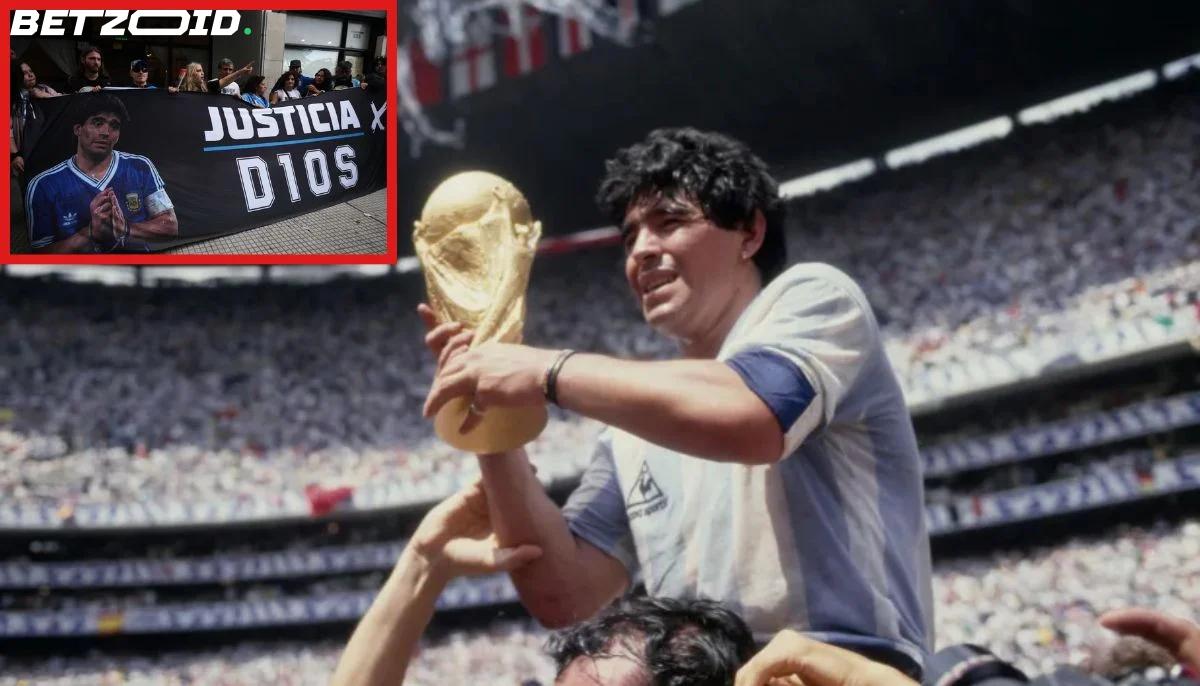
The legal battle surrounding Diego Maradona's death has entered a new chapter as proceedings resumed Tuesday, April 14, in San Isidro, a municipality just outside Buenos Aires. Mario Baudry, the lawyer representing Maradona's youngest son Diego Fernando, expressed measured optimism: "We hope the court will rise to the occasion."
This marks the second attempt to bring the case to trial after the original proceedings ended in a mistrial, adding yet another layer of complexity to an already emotionally charged situation.
The Circumstances Behind the Charges
Diego Maradona passed away on November 25, 2020, at age 60. The Argentine football icon had recently undergone brain surgery to remove a subdural hematoma and was in the recovery phase when he suffered a fatal cardiac arrest. The central question before the court: was the medical care he received in those final days adequate?
Seven healthcare professionals who treated Maradona are now facing negligent homicide charges. The most high-profile among them are neurosurgeon Leopoldo Luque, psychiatrist Agustina Cosachov, and psychologist Carlos Diaz. Each has entered a not guilty plea to charges of manslaughter with implied malice.
These accusations stem from a comprehensive review conducted in 2021 by a medical panel appointed by prosecutors. Their findings were unequivocal and harsh: Maradona's treatment was deemed "inappropriate, deficient and reckless." If convicted, the defendants could face sentences of up to 25 years behind bars.
Why the Case Had to Start Over
The initial trial lasted just three months before being declared invalid. Judge Julieta Makintach, who had been presiding over the case, was removed following allegations of misconduct. With no alternative available, authorities were forced to restart the entire process from scratch.
Nearly a full year passed before the retrial could begin, illustrating the slow pace that often characterizes Argentina's judicial system, particularly in cases of this magnitude.
What Lies Ahead
Prosecutors plan to call approximately 100 witnesses to testify throughout the trial. Given the scope of the case and the cultural significance of the defendant's patient, this promises to be a lengthy and emotionally intensive process.
As Baudry emphasized, the court must grasp "what Diego represented for Argentinians and for the world of football." In Argentina, Maradona transcends sport—he remains a national symbol whose legacy touches millions.
The Maradona family has already endured years of waiting for accountability. With one mistrial behind them and the complexities of Argentine law ahead, they're approaching this new beginning with cautious hope rather than expectations of a quick resolution. The wheels of justice are turning once more, but how long they'll continue remains uncertain.