
FIFA Clears Otamendi and Caicedo for 2026 World Cup After Red Card Amnesty
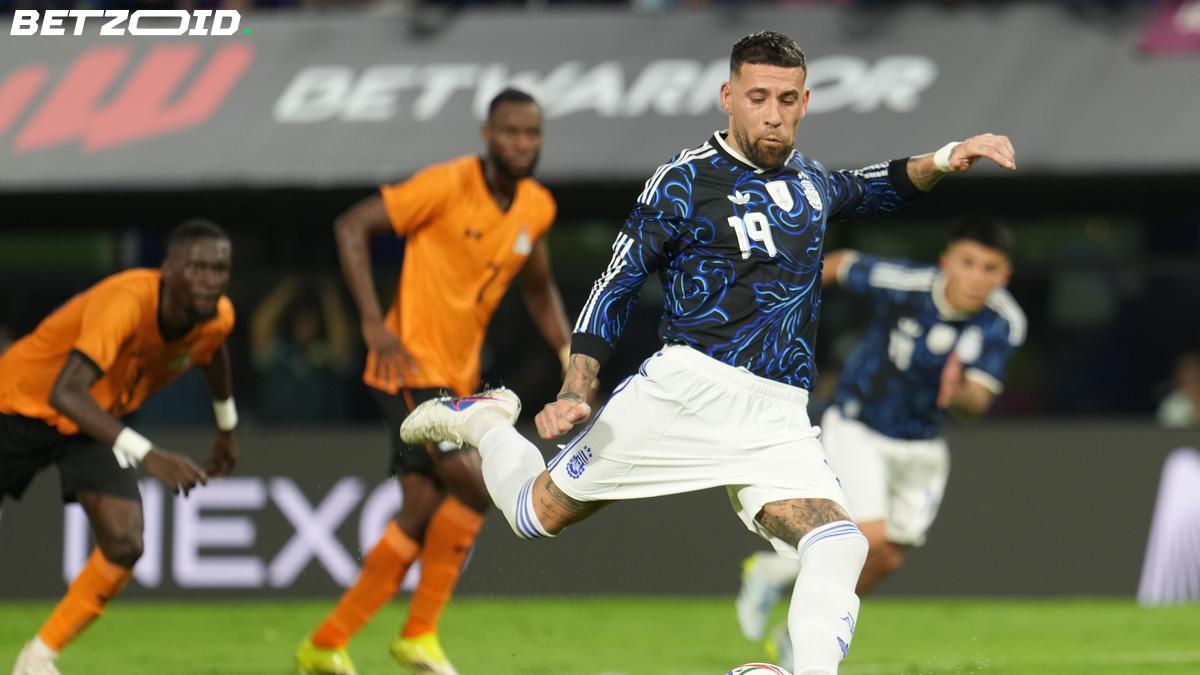
In a significant development for the 2026 World Cup, FIFA has eliminated the one-match suspensions hanging over Nicolas Otamendi and Moises Caicedo, ensuring both players will take the field for their respective nations when the tournament begins.
The duo received red cards during Ecuador's 1-0 victory over Argentina last September. Otamendi was dismissed for a professional foul on a player who had a clear path to goal, while Caicedo collected his second yellow card of the match. Under standard regulations, both would have sat out their team's opening group stage fixture. That consequence has now been erased.
FIFA Bureau grants amnesty
The ruling originates from the FIFA Bureau, comprised of president Gianni Infantino and the leaders of the six continental confederations. They've approved a blanket amnesty covering all disciplinary carryovers from World Cup qualifying. Individual yellow cards and outstanding one- or two-match bans have been nullified. FIFA's official justification: ensuring participating nations arrive "with their strongest possible squads on the biggest stage of men's international football."
This marks the second instance of FIFA employing such intervention ahead of a World Cup. A similar measure saw Cristiano Ronaldo's three-match suspension for elbowing an Irish opponent deferred to probation, guaranteeing his availability throughout the group phase. The Otamendi and Caicedo decisions follow identical reasoning, though the precedent becomes increasingly controversial with each application.
The suspended matches haven't vanished completely—they'll be fulfilled in another competition following the World Cup. In realistic terms, however, that's essentially meaningless.
Impact on the field
For Argentina, having Otamendi available carries significant weight. He remains a cornerstone of the defensive unit that captured the trophy in Qatar, and manager Lionel Scaloni will want to avoid restructuring his backline for the tournament's opening match. Argentina kicks off their title defence against Algeria on June 16 in Kansas City.
Ecuador begins even sooner, facing Ivory Coast on June 14 in Philadelphia. Caicedo serves as the linchpin of their midfield, and his unavailability against a physically imposing opponent like Ivory Coast would have created substantial difficulties. That worry has been eliminated.
Regardless of whether this represents pragmatic team management or regulations being manipulated for competitive advantage, the result remains unchanged: two crucial players who legitimately earned suspensions will face zero consequences before the tournament concludes.