
Trump Refuses to Pay $1,000 for World Cup Tickets as FIFA Pricing Draws Fire
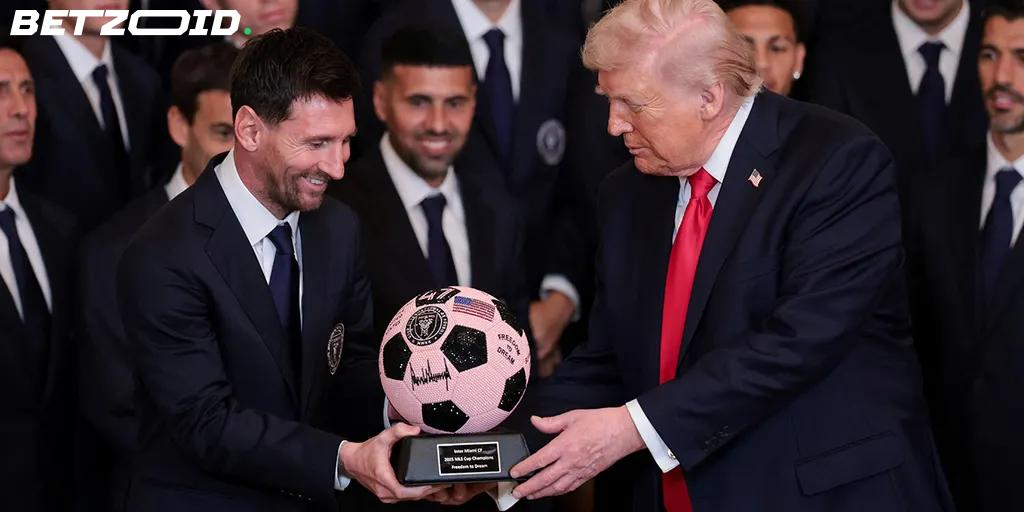
When the sitting U.S. president openly admits he won't shell out for tickets to the 2026 FIFA World Cup—a tournament his own country is co-hosting—you know something's gone seriously wrong with the pricing strategy.
Donald Trump, speaking with the New York Post, didn't mince words: "I would certainly like to be there, but I wouldn't pay it either, to be honest with you." The self-proclaimed billionaire was referring to entry-level ticket prices hovering around $1,000 USD for the United States men's national team's opening match against Paraguay in Southern California on June 12.
If you're eyeing the final at MetLife Stadium in New Jersey, prepare to dig even deeper—reports suggest those seats are commanding up to $6,000. For Canadians planning to cross the border or catch matches at home venues in Toronto or Vancouver, these astronomical figures set a troubling precedent.
FIFA chief's comparison falls flat
FIFA president Gianni Infantino attempted damage control by suggesting American sports fans are accustomed to steep prices, pointing to college football as evidence that sub-$300 tickets don't exist. The problem? That claim doesn't stand up to scrutiny.
Multiple College Football Playoff matches at neutral venues have been available well below the $100 mark at face value, with the most expensive topping out around $219—a far cry from the four-figure barrier FIFA has erected for a first-round group stage encounter.
Attempting to gaslight supporters into accepting inflated pricing as standard practice is questionable at best. When that criticism emanates from the White House, it becomes a public relations disaster.
The 2026 World Cup represents a genuine watershed moment for football in North America. It's the first time the United States has welcomed the tournament since 1994, and Canada's first-ever hosting opportunity alongside Mexico. This tri-nation event should serve as a catalyst for converting casual observers into devoted supporters across the continent.
Long-term consequences for the tournament
The genuine danger extends beyond negative headlines. Picture this: massive NFL stadiums with 90,000-seat capacities featuring pockets of travelling supporters surrounded by swaths of empty seats because local fans couldn't rationalize the expenditure.
Those optics would haunt this World Cup for generations, undermining the very legacy organizers claim they're building.
For those considering wagers on USMNT futures or tournament winner markets, here's a critical factor: home-field advantage—typically one of the most concrete benefits a host nation enjoys—may prove far weaker than conventional wisdom suggests. A $1,000 entry point doesn't cultivate passionate home support. It breeds alienation.
Canadian supporters face similar challenges, with accessible pricing essential for building the electric atmospheres that make World Cup matches unforgettable. Without course correction, FIFA risks transforming what should be a celebration of the beautiful game into an exclusive corporate hospitality event.
Trump has made his choice—he'll be watching from home. Unless FIFA reconsiders its approach, millions of North American football fans will reluctantly make the same decision.