
Fanatics Topps to Take Over FIFA World Cup Trading Cards from Panini in 2031
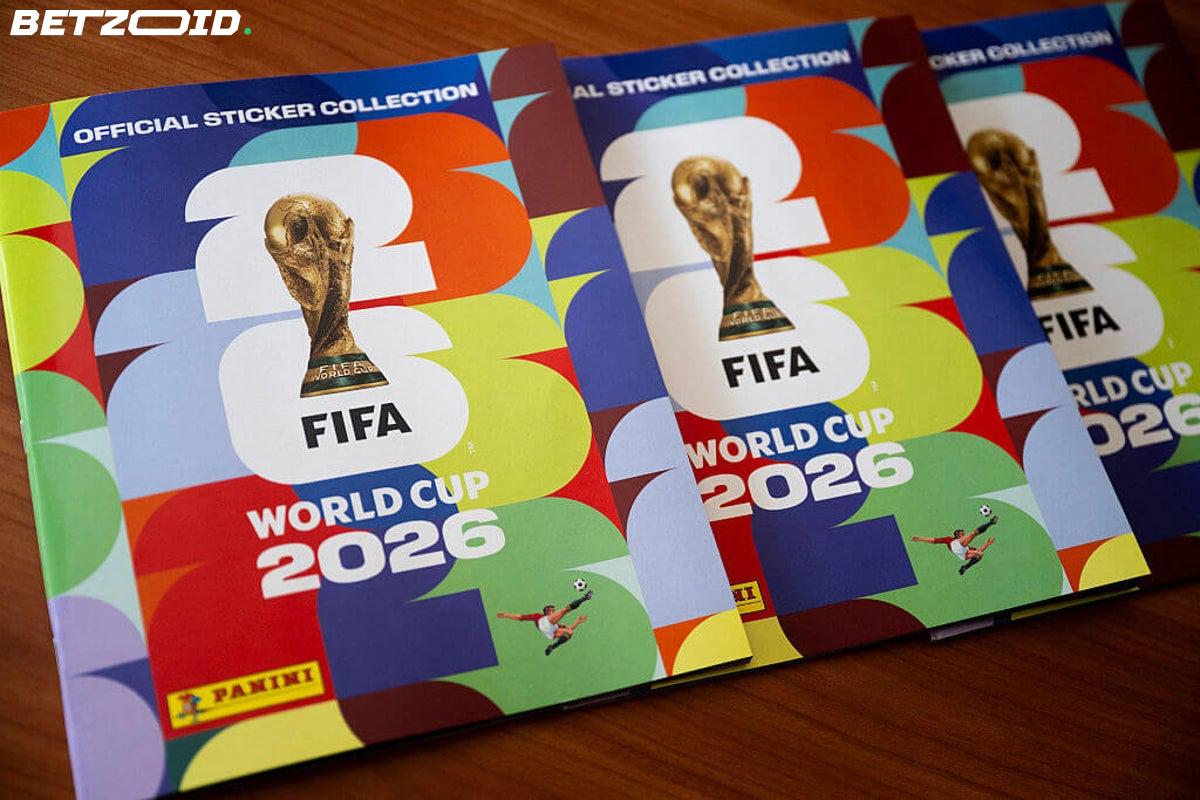
"Global football should be our biggest business," declared Fanatics CEO Michael Rubin as his company secured a landmark licensing agreement with FIFA. Beginning in 2031, Topps—now under Fanatics ownership—will hold exclusive rights to produce all World Cup trading cards, stickers, and trading card games, marking the end of an iconic era in sports collectibles.
This transition concludes one of the longest partnerships in sports memorabilia history. Since 1970, Panini has been synonymous with FIFA World Cup stickers, covering every tournament except the 1994 edition. Nearly six decades of collecting those shiny foil packets, trading duplicates with friends at school, and hunting for rare cards will shift to new ownership once the 2030 tournament concludes.
Fanatics' Vision for World Cup Collectibles
This partnership represents far more than simply changing the brand name on sticker packages. Topps intends to launch Debut Patch cards for World Cup collections—a format already successful across the NFL, NBA, and MLB. The concept is straightforward yet innovative: players wear specially designed patches on their jerseys during their inaugural World Cup match. These patches are then removed, authenticated, and incorporated into signed trading cards.
FIFA president Gianni Infantino has confirmed that match-worn patch programs will commence as early as the 2026 World Cup, well ahead of when the licensing agreement officially begins.
For Rubin, the FIFA partnership represents the cornerstone of Fanatics' international growth strategy. Currently, approximately 85 percent of their collectibles revenue originates within the United States. The World Cup provides the perfect vehicle to change that dynamic.
Under the terms of the agreement, Fanatics has committed to distributing over $150 million worth of collectibles to young fans worldwide throughout the partnership's duration—adding meaningful community engagement beyond the commercial aspects of the deal.
Panini Faces Uncertain Future
The loss of FIFA licensing in 2031 arrives during a particularly challenging period for Panini. The Italian company had been considering a potential sale, with internal documents revealing nearly $720 million in net sales from 2022 World Cup merchandise alone—establishing a single-event record for the company. Panini forecasts $1.48 billion in World Cup-related net sales for 2026 and $1.5 billion for 2030. These impressive projections explain why the company withdrew from sale discussions late last year: executives wanted the 2026 tournament to boost the company's valuation before any transaction.
Shareholders have subsequently enlisted Citigroup to assess strategic alternatives. A recent statement eliminated the possibility of selling to any competitor while leaving the door open for maintaining current ownership structure, pursuing a public offering, or partnering with a strategic investor. Simultaneously, Panini continues pursuing legal action against Fanatics, alleging anticompetitive practices following the loss of NBA and NFL licenses. Fanatics has responded with a countersuit.
- Fanatics anticipates generating more than $4 billion in collectibles revenue during 2026
- Panini forecasts total company net sales of roughly $2.47 billion in 2026
- Topps has already locked in future licensing agreements with England, Brazil, Germany, Italy, Argentina, and the United States national teams
- Fanatics Fest 2025 has been rescheduled to align with the World Cup final on July 19 at MetLife Stadium
- In December, Fanatics was designated as the exclusive retail operator for all 2026 World Cup stadium venues and fan festival locations
For the collectibles industry, this transition extends beyond mere nostalgia. Panini's World Cup revenue forecasts illustrate the enormous financial stakes involved—and Fanatics, equipped with its patch programs and digital capabilities, is wagering it can expand those figures by applying strategies proven successful in North American sports leagues to a truly worldwide audience. Whether Topps sticker albums will ever capture the same magic as Panini collections remains an open question. Some traditions simply cannot survive a corporate rebrand.