
Infantino Defends World Cup 2026 Ticket Prices Amid Growing Fan Frustration
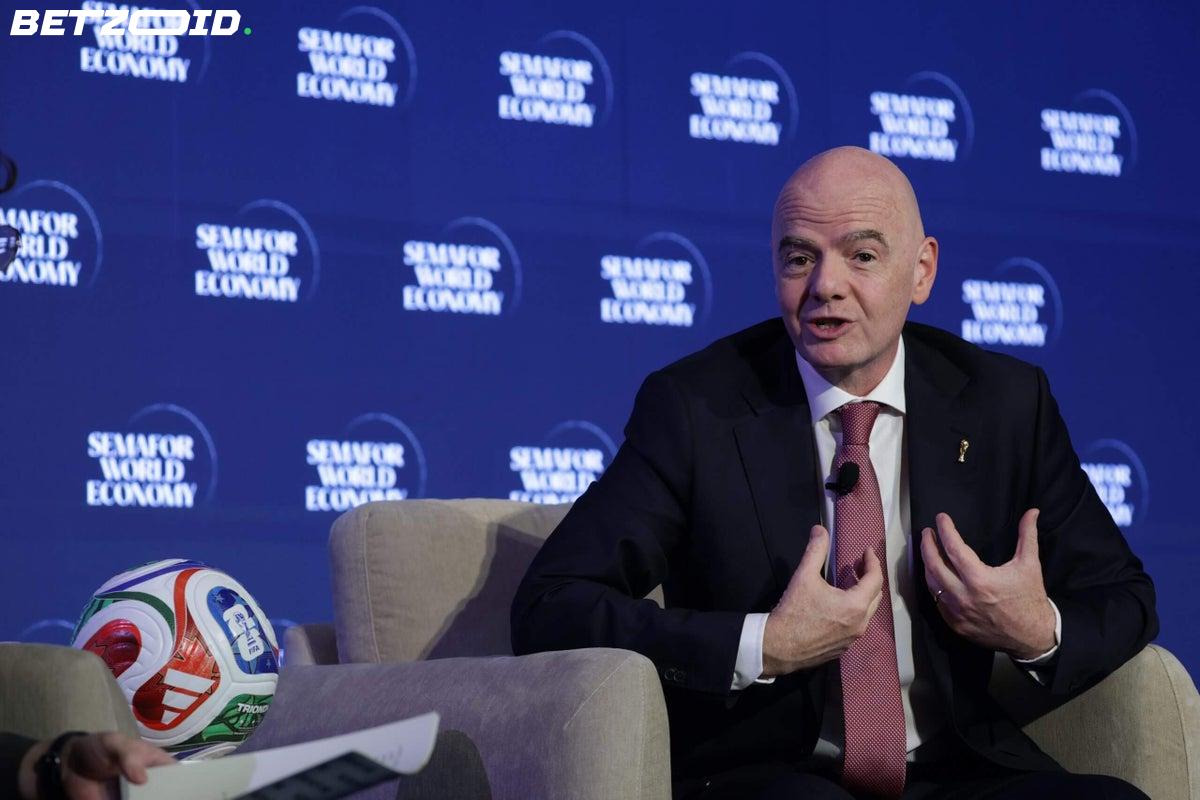
"Maybe, but it's the market." That was FIFA President Gianni Infantino's blunt response when questioned about World Cup ticket prices at a global economics forum on Friday—a dismissive answer that likely frustrated supporters even further.
During his appearance at the Semafor World Economy 2026 Annual Convening, Infantino offered a more detailed defence of FIFA's pricing strategy. He emphasized the organization's non-profit structure, explaining that FIFA generates substantial revenue during just one month every four years, which is then distributed across 211 member nations. According to Infantino, three-quarters of these nations would struggle to sustain organized football without FIFA's financial support.
"The World Cup occurs one month every four years, so we generate money in one month. The following 47 months until the next tournament, we spend that money," Infantino stated. While this argument holds structural merit, it doesn't necessarily justify the pricing controversies that fans have experienced.
Dynamic Pricing Chaos and European Legal Challenge
The core issue extends beyond high prices—it's the implementation of FIFA's pricing system that has sparked outrage. FIFA's dynamic pricing model resulted in approximately 40 of the tournament's 104 matches becoming more expensive during the "last-minute sales phase" than during earlier purchasing windows, based on documentation shared by ticket holders who tracked price changes. Additional ticket categories emerged mid-process, creating confusion alongside financial strain.
While Infantino highlighted a $60 USD ticket tier available for "hardcore fans," including for the final match, supporter groups throughout Europe quickly countered that virtually none of these affordable tickets were accessible when the overseas sales window launched in October. FIFA only added more budget-friendly options in December—a reactive measure following public criticism.
The situation has escalated beyond social media complaints. In March, Football Supporters Europe and consumer advocacy organization Euroconsumers submitted a formal complaint to the European Commission, alleging FIFA exploited its monopoly position through excessive pricing and unclear purchasing terms. This represents a significant legal challenge, not merely vocal dissent.
Infantino's attempt to compare World Cup pricing to NFL games and concerts missed the mark. Unlike FIFA's absolute control over World Cup access, the NFL doesn't maintain a monopoly on American football's premier event—fans have alternative entertainment options.
Travel Restrictions Create Additional Complications
Ticket affordability isn't the only concern facing fans. Following Donald Trump's return to the presidency in January 2025, the United States implemented travel bans affecting nationals from several countries—four of which have qualified for the World Cup: Senegal, Ivory Coast, Iran, and Haiti.
Infantino confirmed FIFA maintains "constant discussions" with American, Canadian, and Mexican governments to ensure players, officials, family members, and supporters from affected nations can participate. He referenced the FIFA Pass—an expedited visa appointment system for ticket holders—as a functional solution. However, whether this mechanism will effectively serve fans from countries currently facing entry restrictions remains uncertain.
New York City Mayor Zohran Mamdani announced in January his intention to address this issue directly with President Trump. The fact that a city mayor must lobby the federal government so World Cup fans can enter the host country underscores the problem's severity.
For those analyzing outright winner markets for the 2026 tournament, it's worth considering that fan sections for certain nations may be considerably smaller than anticipated. Tournament atmosphere plays a crucial role in football, and imbalanced crowd support can influence match dynamics in ways that impact team performance.
Infantino also acknowledged he "didn't know" prior to this planning cycle that ticket reselling is legal in the United States. For someone overseeing football's largest event on American territory, this represents a notable oversight in tournament preparation.