
Infantino's Vancouver Motorcade Controversy Highlights FIFA's 2026 World Cup Challenges
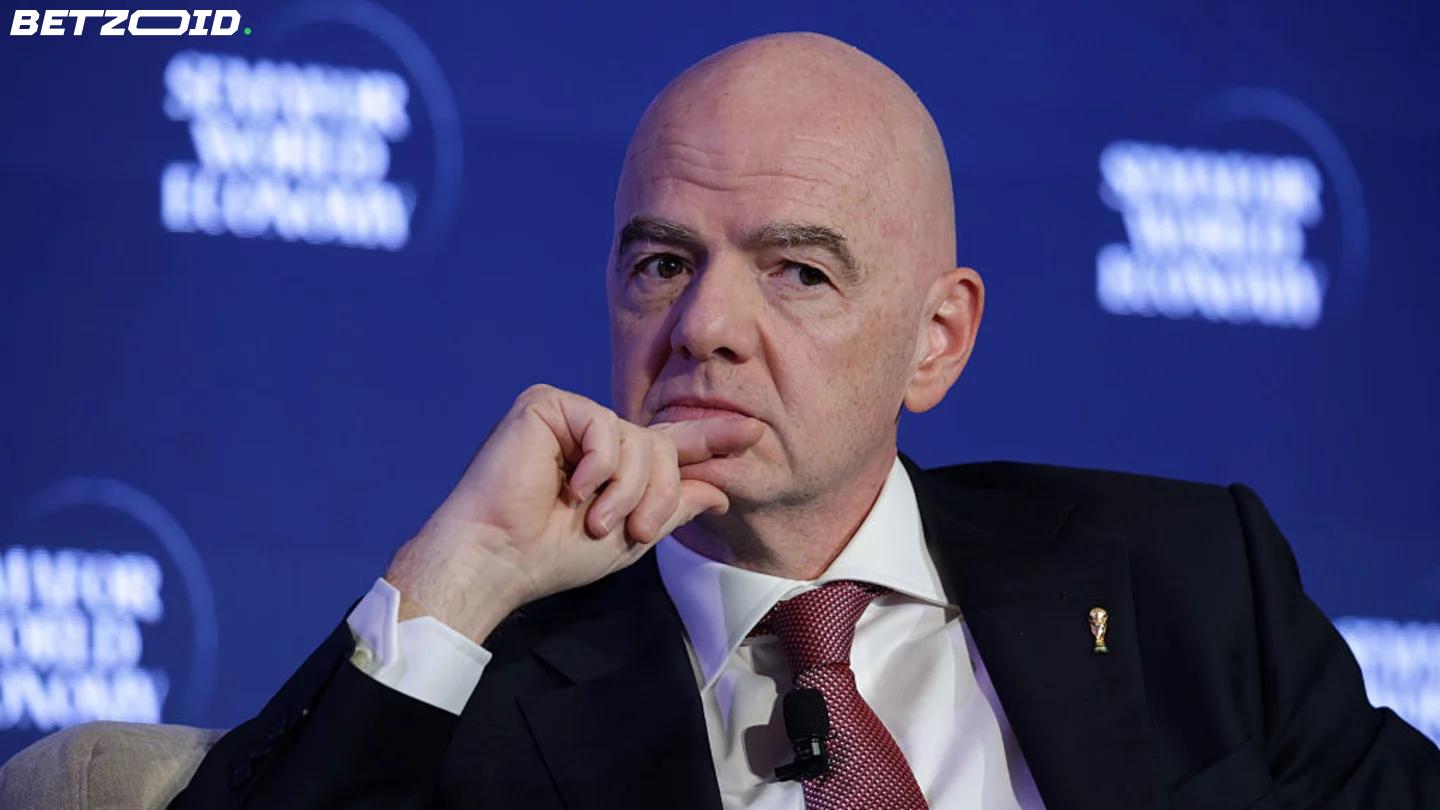
FIFA attempted to secure a "level four" motorcade escort for President Gianni Infantino during his Vancouver visit this week—a security tier just one step below what the Pope receives and significantly higher than what Canadian Prime Minister Mark Carney is afforded. Vancouver police rejected the request, but the reputational damage to FIFA has already been inflicted.
According to initial reports from The Times, the request would have granted Infantino a high-speed convoy with authority to block traffic and disregard traffic signals—treatment typically reserved for the United States President. A FIFA spokesperson stated Tuesday that "the FIFA President was not aware of, or involved in, any requests with authorities in relation to his transportation and security matters," attempting to distance Infantino from the controversy.
Perhaps that's true. But the fact remains that someone within FIFA's ranks considered this request appropriate. That's where the real issue lies.
FIFA's disconnect from North American reality
Infantino arrived in Vancouver for the 76th FIFA Congress, where he's meeting with delegates from all 211 member associations to address 2026 World Cup preparations, Russia's potential reinstatement to sanctioned competition, and football's strategic direction. These discussions carry genuine weight. None of them warrant Pope-level security arrangements.
Football's presence in Canada, though expanding, still trails considerably behind hockey—and lags behind the sport's status even in the United States, where it battles for viewership against the NFL, MLB, and NBA. Infantino isn't a recognizable figure in Vancouver households. He isn't widely known across most of North America. Demanding security infrastructure that exceeds what Canada's Prime Minister receives doesn't project significance. It reveals a fundamental misunderstanding of the regions FIFA expects to host its premier tournament.
This disconnect extends beyond mere symbolism.
World Cup fans bearing the cost of FIFA's extravagance
World Cup final tickets at MetLife Stadium in New York/New Jersey are commanding prices exceeding $10,000 per seat. Standard viewing tickets for prominent group stage fixtures are reaching several thousand dollars. The tournament has become financially inaccessible to the overwhelming majority of actual football supporters.
Transportation costs are aggravating the situation. Train fares from Penn Station to MetLife Stadium in East Rutherford are projected to surge from the standard $12.90 to approximately $150 per journey—with FIFA contributing absolutely nothing toward transit infrastructure improvements. New Jersey Governor Mikie Sherrill addressed this bluntly: "We inherited an agreement where FIFA is providing $0 for transportation to the World Cup. And while NJ TRANSIT is stuck with a $48 million bill to safely get fans to and from games, FIFA is making $11 billion."
FIFA projects $11 billion in tournament revenue. They've allocated zero dollars for the trains transporting fans to stadiums. Yet the organization apparently has resources to explore near-head-of-state motorcade arrangements for its president.
Bettors considering outright winner or group stage markets for the 2026 World Cup should factor in the larger context: this tournament is being managed by an organization that seemingly prioritizes its own status over the fan experience it's marketing. Accessibility problems, excessive pricing, and governance controversies this severe typically generate persistent criticism throughout a tournament.
"FIFA should pay for the rides," Sherrill stated firmly. "But if they don't — I'm not going to let New Jersey get taken for one."
At least one person involved in this situation understands the actual stakes.